

Medically Reviewed By
Dr. David Hu, MD — Medical Director
Prescription opioid addiction has fueled one of the most devastating public health crises in American history. At Endeavor House North, we provide medically supervised opioid detox and inpatient rehabilitation to help individuals safely overcome dependence and begin building a life in recovery.
Understanding Opioid Addiction
Opioid use disorder (OUD) involves the compulsive use of opioid substances despite harmful consequences. Prescription opioids — including oxycodone (OxyContin, Percocet), hydrocodone (Vicodin), morphine, and codeine — are among the most commonly misused substances in the United States. What often begins as a legitimate prescription for pain management can escalate into physical dependence and addiction.
Opioids work by binding to receptors in the brain and nervous system, blocking pain signals and producing feelings of euphoria and relaxation. With repeated use, the brain becomes dependent on opioids to function normally. Tolerance develops quickly, meaning higher doses are needed to achieve the same effect — a pattern that dramatically increases the risk of overdose.
Signs and Symptoms of Opioid Addiction
Opioid addiction may develop even when medications are taken as prescribed. Warning signs include:
- Taking opioids in higher doses or more frequently than prescribed
- Continuing to use opioids after the original pain has resolved
- Visiting multiple doctors to obtain additional prescriptions (“doctor shopping”)
- Mood swings, irritability, or anxiety when unable to obtain opioids
- Social withdrawal and neglecting responsibilities
- Drowsiness, constricted pupils, and slowed breathing
- Experiencing withdrawal symptoms between doses
- Transitioning from prescription opioids to illicit alternatives like heroin or fentanyl
The Scope of the Opioid Crisis
The opioid epidemic has had a devastating impact on communities across New Jersey and the nation. According to the CDC, opioid-involved overdose deaths have increased significantly over the past two decades. New Jersey has been particularly hard-hit, consistently ranking among states with the highest rates of opioid-related fatalities. Getting professional treatment is not just beneficial — it can be lifesaving.
Gallery
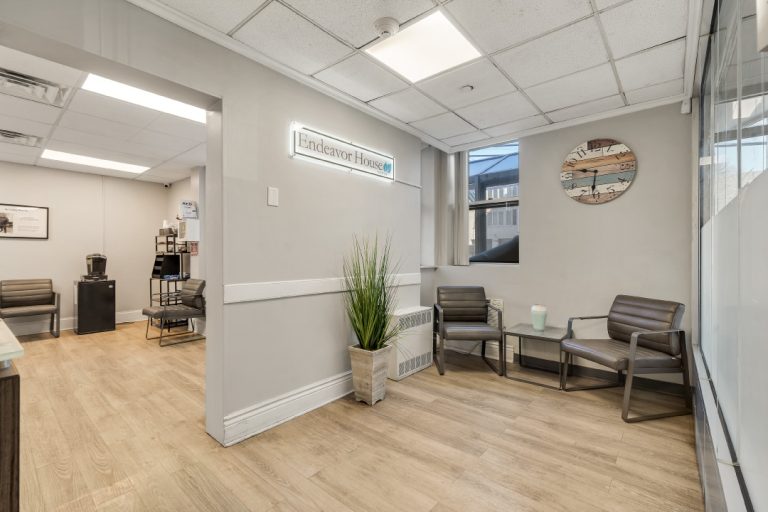
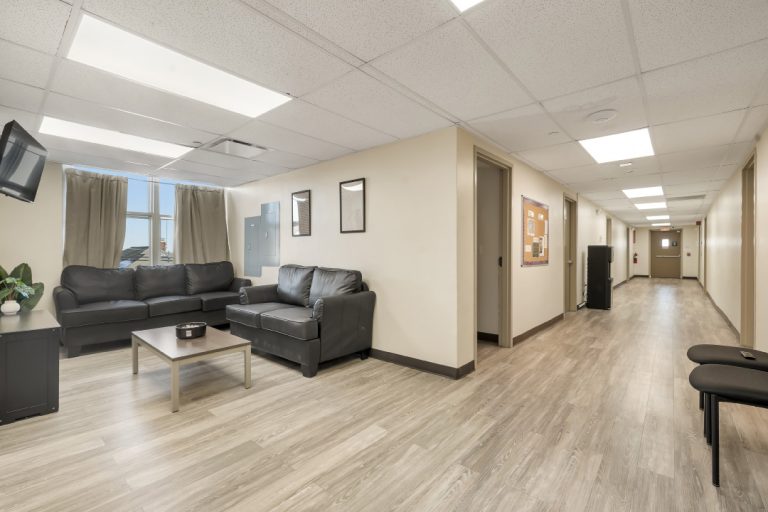
See Our Facility

Opioid Withdrawal: What to Expect
Opioid withdrawal is intensely uncomfortable and is one of the primary reasons people relapse. While opioid withdrawal is generally not life-threatening on its own (unlike alcohol or benzodiazepine withdrawal), the severity of symptoms can be debilitating and often drives individuals back to using. Medically supervised detox at Endeavor House North significantly improves comfort, safety, and successful completion of the withdrawal process.
Common Opioid Withdrawal Symptoms
Withdrawal symptoms typically begin within 8 to 24 hours after the last dose of a short-acting opioid and may include:
- Intense muscle aches and joint pain
- Nausea, vomiting, and diarrhea
- Abdominal cramping
- Profuse sweating, chills, and goosebumps
- Runny nose and watery eyes (lacrimation)
- Anxiety, agitation, and restlessness
- Insomnia and severe sleep disruption
- Dilated pupils
- Intense drug cravings
Opioid Detox Timeline
The acute withdrawal phase typically lasts 5 to 10 days, with symptoms peaking around days 2 through 4. However, some individuals experience prolonged withdrawal symptoms (known as post-acute withdrawal syndrome, or PAWS) that can persist for weeks or months, including mood disturbances, sleep difficulties, and intermittent cravings. At Endeavor House North, our medical team uses evidence-based protocols — including medication-assisted treatment when appropriate — to manage symptoms and support clients through the entire detox process.
Opioid Addiction Treatment at Endeavor House North
Treating opioid addiction effectively requires a comprehensive approach that addresses the physical, psychological, and behavioral dimensions of the disorder. At Endeavor House North in Kearny, NJ, we combine medically supervised detox with structured inpatient rehabilitation to help clients overcome opioid dependence and develop the skills needed for sustained recovery.
Medical Detox for Opioids
Our opioid detox program provides 24/7 medical monitoring and symptom management. Depending on the individual’s clinical needs, our physicians may use medication-assisted treatment (MAT) protocols including buprenorphine (Suboxone) or other evidence-based medications to reduce withdrawal severity, manage cravings, and stabilize clients for the transition into rehabilitation.
Inpatient Rehabilitation
After detox, clients enter our inpatient rehab program where they engage in a structured schedule of therapeutic activities designed to address the root causes of addiction. Our clinical programming includes:
- Cognitive Behavioral Therapy (CBT) — Identifying thought patterns and behaviors that perpetuate opioid use
- Dialectical Behavior Therapy (DBT) — Developing emotional regulation and distress tolerance skills
- Motivational Interviewing — Building and sustaining the internal motivation to stay in recovery
- Trauma-informed care — Addressing underlying trauma that may drive substance use
- Group therapy and psychoeducation — Learning about addiction, relapse prevention, and coping strategies in a peer-supported environment
- Individual therapy — Working one-on-one with a licensed clinician on personal treatment goals
- 12-step facilitation — Introduction to NA, SMART Recovery, and other mutual support frameworks
Medication-Assisted Treatment (MAT)
MAT is a cornerstone of effective opioid addiction treatment. Our medical team evaluates each client for MAT candidacy and may prescribe medications such as buprenorphine (Suboxone/Sublocade), naltrexone (Vivitrol), or other appropriate medications. These are used in combination with behavioral therapy to reduce cravings, prevent relapse, and support long-term recovery.
Continuum of Care
Opioid addiction recovery is a long-term process. Our discharge planning team works with each client to arrange appropriate next steps, whether that includes PHP, IOP, outpatient therapy, sober living, or continued MAT management through our network of partners and sister facilities.
Treatment Options for Opioids
Medical Detox
Opioid withdrawal is intensely uncomfortable — but you don't have to face it alone. Our medical detox program in Kearny, NJ provides 24/7 care and medication-assisted treatment to help you detox safely.
View programInpatient Rehab
After detox, our inpatient rehab program uses CBT, DBT, and other evidence-based therapies to help you address the root causes of addiction and build lasting recovery skills.
View programFAQ
Frequently Asked Questions
What medications are used for opioid detox?
Our medical team may use buprenorphine (Suboxone), clonidine, and other symptom-management medications during opioid detox. The specific protocol depends on the type of opioid used, the severity of dependence, and the individual’s medical history. Our goal is to minimize discomfort and ensure safety throughout the withdrawal process.
How long does opioid detox take?
Acute opioid withdrawal typically lasts 5 to 10 days, with symptoms peaking around days 2 to 4. However, some individuals experience post-acute withdrawal symptoms (PAWS) for weeks or months afterward. Our team provides support through the acute phase and prepares clients for managing any lingering symptoms during rehab and aftercare.
Can I continue medication-assisted treatment (MAT) after leaving Endeavor House North?
Yes. If MAT is part of your treatment plan, our clinical team will coordinate with your aftercare providers to ensure continuity of medication management. Our sister facility, Advanced Health and Education, offers outpatient MAT services, and we also coordinate with outside providers as needed.
Is opioid addiction treatment covered by insurance?
Most major insurance plans cover substance use disorder treatment, including opioid detox and inpatient rehab. Contact our admissions team or use our online insurance verification form to check your specific coverage and out-of-pocket costs.
What is the difference between opioid dependence and opioid addiction?
Physical dependence means the body has adapted to the presence of opioids and will experience withdrawal without them. Addiction (opioid use disorder) goes further — it involves compulsive use despite negative consequences, loss of control, and significant behavioral and psychological changes. Both conditions benefit from professional treatment, and our team addresses the full spectrum of opioid-related issues.
Other Addictions We Treat
Get Help for Opioids Today
Our admissions team is available 24/7. Call now for a free, confidential assessment.