
Cocaine addiction can take over your life with devastating speed. At Endeavor House North, we provide structured inpatient treatment for cocaine use disorder — including medical stabilization, evidence-based therapy, and comprehensive aftercare planning — to help you reclaim control and begin lasting recovery.
Understanding Cocaine Addiction
Cocaine is a powerful central nervous system stimulant derived from the coca plant. It produces an intense but short-lived euphoria by flooding the brain with dopamine, the neurotransmitter associated with pleasure and reward. This intense high, combined with the rapid crash that follows, creates a powerful cycle of compulsive use that can lead to addiction quickly.
Cocaine may be snorted as a powder, smoked as crack cocaine, or injected. All routes of administration carry significant addiction potential and health risks. Despite a perception that cocaine is a “recreational” drug, cocaine use disorder is a serious medical condition that affects brain chemistry, decision-making, and overall health.
Signs and Symptoms of Cocaine Addiction
Cocaine addiction can develop after relatively brief periods of regular use. Warning signs include:
- Using cocaine in larger amounts or more frequently over time
- Binge use patterns — using repeatedly over hours or days followed by a crash
- Inability to stop or reduce use despite wanting to
- Spending excessive money on cocaine or experiencing financial problems
- Neglecting work, school, or family responsibilities
- Increased agitation, paranoia, or erratic behavior
- Nasal damage, nosebleeds, or chronic congestion (if snorting)
- Sleep disruption — staying up for extended periods followed by prolonged sleeping
- Social withdrawal or associating primarily with other users
Health Risks of Cocaine Use
Chronic cocaine use poses serious health risks including heart attack, stroke, cardiac arrhythmia, seizures, and respiratory failure. Cocaine use is a leading cause of drug-related emergency department visits. Long-term use can also cause significant damage to the nasal septum, lungs (if smoked), and blood vessels, as well as cognitive decline, anxiety disorders, and depression. The contamination of cocaine with fentanyl has introduced an additional and frequently fatal dimension of risk.
Gallery
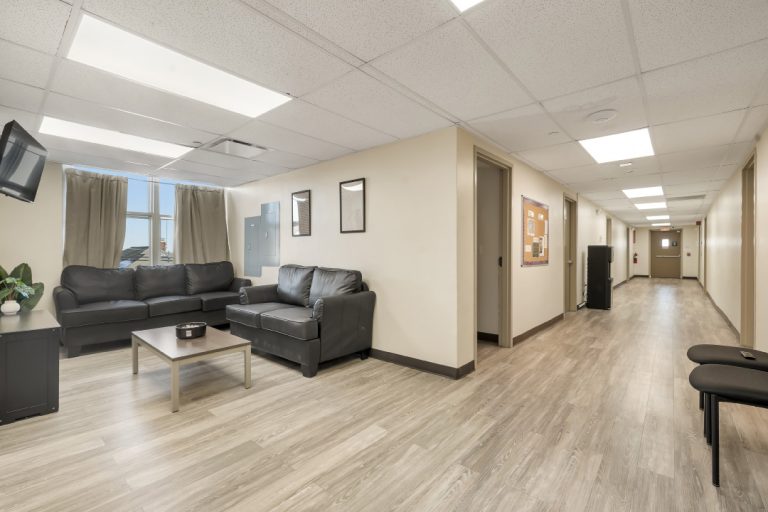
See Our Facility


Cocaine Withdrawal: What to Expect
Unlike opioid or alcohol withdrawal, cocaine withdrawal does not typically produce severe physical symptoms that require emergency medical intervention. However, the psychological symptoms of cocaine withdrawal can be intense and are a major driver of relapse. Professional support during this period significantly improves the chances of sustained recovery.
Common Cocaine Withdrawal Symptoms
Withdrawal symptoms usually begin within hours to days after the last use and may include:
- Severe fatigue and exhaustion (the “crash”)
- Intense depression and feelings of hopelessness
- Increased appetite
- Vivid, unpleasant dreams
- Psychomotor slowing — difficulty concentrating, slow movements
- Irritability, anxiety, and agitation
- Strong cravings for cocaine
- Anhedonia — inability to feel pleasure from normally enjoyable activities
- Hypersomnia — sleeping for extended periods
Cocaine Withdrawal Timeline
Cocaine withdrawal generally follows three phases:
- Crash phase (hours to days): Exhaustion, depression, increased sleep and appetite, reduced cravings initially
- Withdrawal phase (1–10 weeks): Cravings intensify, mood instability, irritability, difficulty concentrating, sleep disturbances
- Extinction phase (months): Intermittent cravings triggered by environmental cues, gradually decreasing in frequency and intensity
At Endeavor House North, our clinical team provides medical monitoring, psychiatric support, and therapeutic intervention throughout the withdrawal period to help clients manage symptoms and resist the pull to relapse.
Cocaine Addiction Treatment at Endeavor House North
Because there are currently no FDA-approved medications specifically for cocaine addiction, behavioral therapy is the cornerstone of effective treatment. At Endeavor House North in Kearny, NJ, our inpatient program provides the structured, immersive therapeutic environment that gives individuals the best chance at overcoming cocaine use disorder.
Medical Stabilization
While cocaine withdrawal is primarily psychological, our medical team provides comprehensive health assessment and monitoring upon admission. Many individuals arriving for cocaine addiction treatment have co-occurring medical issues — cardiac problems, nutritional deficiencies, sleep disorders — that need to be addressed alongside the addiction. Our team stabilizes clients medically and manages any co-occurring conditions.
Inpatient Rehabilitation
Our evidence-based clinical programming for cocaine addiction includes:
- Cognitive Behavioral Therapy (CBT) — The gold standard for cocaine addiction treatment, helping clients identify triggers, challenge distorted thinking, and develop healthier coping responses
- Contingency Management — Reinforcing positive behaviors and recovery milestones
- Dialectical Behavior Therapy (DBT) — Building emotional regulation skills critical for managing the intense cravings and mood swings of early cocaine recovery
- Motivational Interviewing — Resolving ambivalence about change and strengthening commitment to recovery
- Group therapy — Process groups, psychoeducation, and peer support
- Individual therapy — Addressing personal triggers, underlying psychological issues, and treatment goals
- Relapse prevention — Developing detailed, personalized strategies for maintaining sobriety after discharge
Addressing Co-Occurring Disorders
Cocaine addiction frequently co-occurs with depression, anxiety, ADHD, and bipolar disorder. Our clinical team conducts thorough diagnostic assessments and integrates mental health treatment into each client’s plan to address the full picture of their condition.
Continuum of Care
Cocaine recovery requires ongoing support, especially through the extended withdrawal period when cravings can remain intense. Our discharge planning team connects clients to step-down care through our network of sister and partner facilities and community resources to support sustained recovery.
Treatment Options for Cocaine
Medical Detox
Our medical team provides comprehensive health assessment, stabilization, and 24/7 monitoring to safely guide you through the acute phase of cocaine withdrawal.
View programInpatient Rehab
CBT-based inpatient rehab is the gold standard for cocaine addiction treatment. Our structured program in Kearny, NJ gives you the tools to break the cycle.
View programFAQ
Frequently Asked Questions
Is there a medication for cocaine addiction?
There are currently no FDA-approved medications specifically for cocaine addiction. However, our medical team may prescribe medications to manage withdrawal symptoms, co-occurring mental health conditions, or other medical issues. Behavioral therapies — particularly CBT — are the most effective treatments for cocaine use disorder.
How long is cocaine addiction treatment?
The initial stabilization and inpatient rehab period at Endeavor House North typically lasts 2 to 4 weeks, depending on individual needs. However, cocaine recovery is an ongoing process, and we recommend step-down care (PHP, IOP, or outpatient) to maintain progress.
Can cocaine cause permanent brain damage?
Chronic cocaine use can cause changes in brain structure and function, particularly in areas related to decision-making, impulse control, and reward processing. The good news is that many of these changes improve with sustained abstinence and treatment, though some effects may be long-lasting.
Is crack cocaine treated differently than powder cocaine?
The treatment approach is essentially the same — both forms of cocaine produce the same type of addiction. However, crack cocaine may be associated with faster onset of dependence and more severe patterns of use. Our clinical team tailors treatment to the individual regardless of the form of cocaine used.
Does insurance cover cocaine addiction treatment?
Yes — most major insurance plans cover substance use disorder treatment including inpatient rehab for cocaine addiction. Contact our admissions team or use our online insurance verification form to check your specific benefits.
Other Addictions We Treat
Get Help for Cocaine Today
Our admissions team is available 24/7. Call now for a free, confidential assessment.