Addiction Treatment
Benzodiazepine Addiction Treatment in Kearny, NJ

Benzodiazepine addiction is a growing crisis that is often underestimated — and withdrawal from benzos can be medically dangerous. At Endeavor House North, we provide carefully managed medical detox and inpatient rehabilitation to help individuals safely taper off benzodiazepines and build a foundation for recovery.
Understanding Benzodiazepine Addiction
Benzodiazepines — commonly known as “benzos” — are a class of prescription sedatives used to treat anxiety, insomnia, seizures, and muscle spasms. Common benzodiazepines include alprazolam (Xanax), diazepam (Valium), lorazepam (Ativan), clonazepam (Klonopin), and temazepam (Restoril).
While benzodiazepines can be effective when used as prescribed for short periods, they carry a high potential for physical dependence — often developing within just a few weeks of regular use. The brain quickly adapts to the presence of benzodiazepines, and tolerance, dependence, and addiction can develop even when the medication is taken exactly as directed by a physician.
Signs and Symptoms of Benzodiazepine Addiction
Because benzodiazepine dependence can develop through legitimate medical use, it may be harder to recognize than addiction to illicit substances. Warning signs include:
- Needing higher doses to achieve the same anxiety-relieving or sedating effect
- Continuing to use benzodiazepines beyond the originally prescribed duration
- Experiencing anxiety or panic when unable to take the medication
- Visiting multiple doctors to obtain prescriptions
- Taking benzodiazepines in ways not prescribed (higher doses, more frequently, or combined with other substances)
- Memory problems, confusion, or cognitive impairment
- Social withdrawal and reduced interest in activities
- Feeling unable to function or cope without benzodiazepines
- Failed attempts to reduce or stop use
The Risks of Benzodiazepine Misuse
Long-term benzodiazepine use is associated with cognitive impairment, increased fall risk (especially in older adults), depression, and emotional blunting. Combining benzodiazepines with opioids or alcohol dramatically increases the risk of fatal respiratory depression. Benzodiazepine-involved overdose deaths have risen significantly in recent years, often in combination with opioids.
Gallery
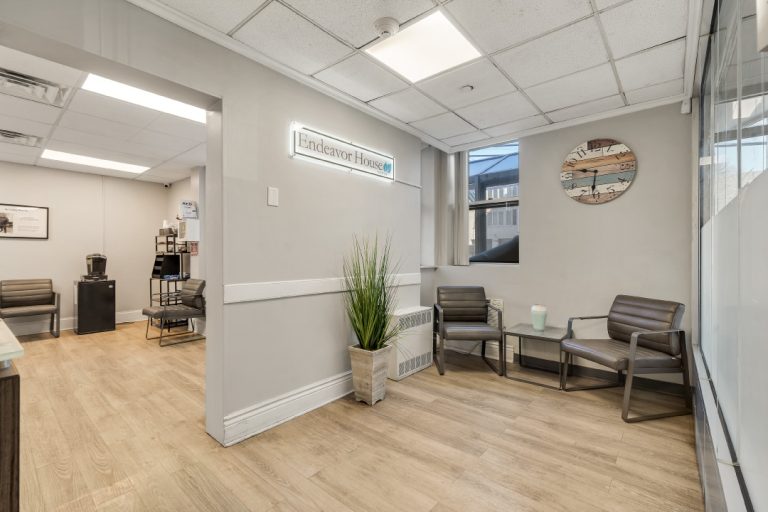
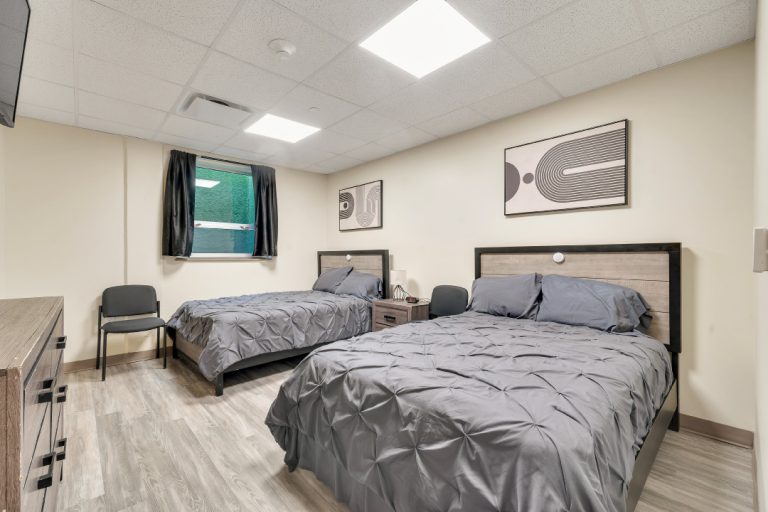
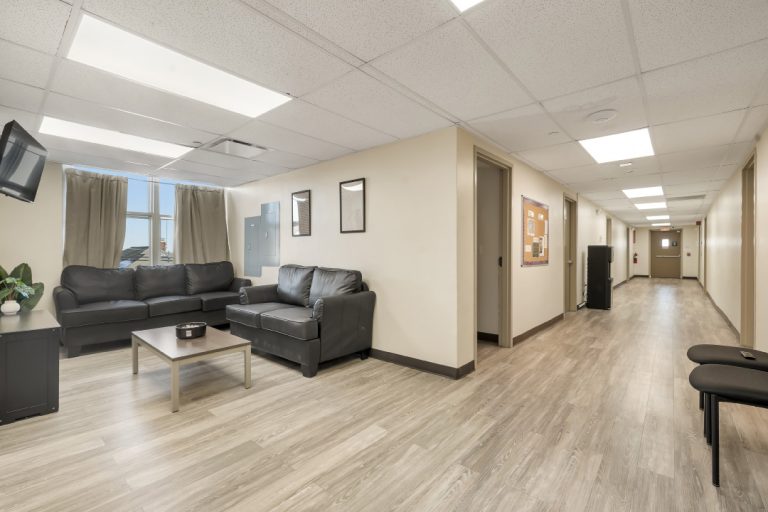
See Our Facility
Benzodiazepine Withdrawal: What to Expect
Benzodiazepine withdrawal is one of the most medically serious forms of drug withdrawal. Like alcohol, abrupt discontinuation of benzodiazepines can cause seizures and other life-threatening complications. This is why medically supervised detox with a carefully managed taper is essential — stopping benzodiazepines suddenly without medical support is dangerous.
Common Benzodiazepine Withdrawal Symptoms
Withdrawal symptoms vary depending on the specific benzodiazepine, dosage, and duration of use, but commonly include:
- Severe anxiety and panic attacks — often worse than the original anxiety the medication was prescribed for
- Insomnia and sleep disturbance
- Irritability and agitation
- Tremors and muscle tension
- Sweating and heart palpitations
- Difficulty concentrating and memory problems
- Sensory hypersensitivity (to light, sound, touch)
- Nausea and loss of appetite
- Headaches
Severe Withdrawal Symptoms
In more severe cases, benzodiazepine withdrawal can produce:
- Seizures — The most dangerous complication, which can occur with abrupt discontinuation
- Psychosis — Hallucinations and delusional thinking
- Depersonalization and derealization — Feeling detached from oneself or one’s surroundings
- Severe depression with suicidal ideation
Benzodiazepine Detox Approach
Because of the medical risks involved, benzodiazepine detox requires a gradual, controlled taper rather than abrupt cessation. At Endeavor House North, our physicians develop individualized taper protocols — often transitioning clients to a longer-acting benzodiazepine (such as diazepam) and slowly reducing the dose over a period of days to weeks. This approach minimizes seizure risk and manages withdrawal symptoms more effectively. The entire process is monitored 24/7 by our medical team.
Benzodiazepine Addiction Treatment at Endeavor House North
Treating benzodiazepine addiction requires both medical precision and therapeutic depth. At Endeavor House North in Kearny, NJ, our integrated program addresses the physical dependence through carefully managed medical detox while simultaneously treating the underlying anxiety, trauma, or other conditions that led to benzodiazepine use in the first place.
Medical Detox for Benzodiazepines
Our benzodiazepine detox program centers on a medically supervised taper protocol. Rather than stopping the medication abruptly, our physicians gradually reduce the dose in a controlled manner to prevent seizures and minimize withdrawal severity. For clients using short-acting benzodiazepines (like Xanax or Ativan), we may first transition to a longer-acting agent (like Valium) before beginning the taper. The timeline varies by individual but is always determined by clinical safety, not arbitrary deadlines.
Inpatient Rehabilitation
As clients stabilize medically, they engage in our structured therapeutic programming:
- Cognitive Behavioral Therapy (CBT) — Learning to manage anxiety and other symptoms without benzodiazepines, restructuring catastrophic thinking patterns
- Dialectical Behavior Therapy (DBT) — Developing mindfulness, distress tolerance, and emotional regulation skills as alternatives to sedative use
- Anxiety management training — Evidence-based techniques including progressive muscle relaxation, grounding exercises, and breathing techniques
- Trauma-informed therapy — Addressing underlying trauma that may drive anxiety and substance use
- Group therapy — Peer support and shared learning in a safe environment
- Individual counseling — Personalized treatment goal work with a licensed clinician
- Psychoeducation — Understanding the neuroscience of benzodiazepine dependence and the recovery process
Treating the Underlying Condition
Many people who develop benzodiazepine dependence were originally prescribed the medication for a legitimate condition — generalized anxiety disorder, panic disorder, insomnia, or PTSD. Effective treatment must address these underlying conditions with non-addictive alternatives. Our clinical team works with each client to develop sustainable anxiety management strategies and may recommend non-addictive medications (such as SSRIs, buspirone, or hydroxyzine) when appropriate.
Continuum of Care
Benzodiazepine recovery often involves a longer stabilization period than other substance use disorders. Our aftercare planning accounts for this by connecting clients to appropriate step-down care, ongoing psychiatric management, and continued therapy to support long-term recovery.
Treatment Options for Benzodiazepines
Medical Detox
Benzodiazepine withdrawal can cause seizures — never attempt to stop without medical support. Our supervised detox program in Kearny, NJ provides safe, gradual tapering protocols.
View programInpatient Rehab
Our inpatient rehab program teaches you to manage anxiety and other symptoms without benzodiazepines, using CBT, DBT, and other evidence-based approaches.
View programFAQ
Frequently Asked Questions
Can benzodiazepine withdrawal cause seizures?
Yes — seizures are a known and potentially life-threatening complication of benzodiazepine withdrawal, especially with abrupt discontinuation. This is why medically supervised detox with a gradual taper is essential. Our medical team monitors clients continuously and uses evidence-based taper protocols to prevent seizure activity.
How long does benzodiazepine detox take?
Benzodiazepine detox timelines vary significantly depending on the specific medication, dosage, and duration of use. A medically supervised taper may take anywhere from 1 to 4 weeks or longer. Our physicians prioritize safety and comfort, adjusting the taper pace based on each client’s clinical response.
I was prescribed benzodiazepines by my doctor — am I really addicted?
Physical dependence on benzodiazepines can develop even when the medication is taken exactly as prescribed. This is different from willful misuse — it’s a physiological response to chronic exposure. Regardless of how the dependence developed, professional medical support is the safest way to discontinue benzodiazepines.
Will I have to deal with anxiety without any medication?
No. Our clinical team helps you develop effective non-pharmaceutical anxiety management skills, but we also evaluate whether non-addictive medications may be appropriate for your situation. The goal is sustainable anxiety management — not suffering without support.
Is benzodiazepine addiction covered by insurance?
Yes — benzodiazepine detox and inpatient treatment are covered by most major insurance plans as substance use disorder treatment. Contact our admissions team to verify your specific coverage.
Other Addictions We Treat
Get Help for Benzodiazepines Today
Our admissions team is available 24/7. Call now for a free, confidential assessment.