Addiction Treatment
Prescription Drug Addiction Treatment in Kearny, NJ


Medically Reviewed By
Dr. David Hu, MD — Medical Director
Prescription drug addiction can develop quietly — often beginning with a legitimate medical need. At Endeavor House North, we provide medically supervised detox and inpatient rehabilitation for individuals dependent on prescription medications, helping them safely discontinue use and address the underlying conditions driving their dependence.
Understanding Prescription Drug Addiction
Prescription drug addiction — clinically known as prescription drug use disorder — occurs when a person becomes physically dependent on or compulsively misuses a prescription medication. The three classes of prescription drugs most commonly associated with addiction are opioid painkillers, benzodiazepine sedatives, and stimulant medications.
Commonly Misused Prescription Drug Categories
Opioid painkillers: Oxycodone (OxyContin, Percocet), hydrocodone (Vicodin), morphine, codeine, tramadol, and fentanyl patches. These are prescribed for pain but carry high addiction potential due to their euphoric effects.
Benzodiazepines and sedatives: Alprazolam (Xanax), diazepam (Valium), lorazepam (Ativan), clonazepam (Klonopin), and zolpidem (Ambien). Prescribed for anxiety, insomnia, and seizures — dependence can develop within weeks.
Stimulants: Amphetamine (Adderall), methylphenidate (Ritalin, Concerta), and lisdexamfetamine (Vyvanse). Prescribed for ADHD and narcolepsy — commonly misused for cognitive enhancement or weight loss.
Signs of Prescription Drug Addiction
Because prescription drug misuse often starts within a medical context, the signs may be subtle at first:
- Taking medication in higher doses or more frequently than prescribed
- Continuing to take medication after the original condition has resolved
- Visiting multiple doctors or pharmacies to obtain prescriptions
- Running out of prescriptions early
- Personality or mood changes, including increased irritability or anxiety
- Secrecy about medication use
- Declining performance at work or school
- Physical symptoms: drowsiness, constricted or dilated pupils, slurred speech
- Withdrawal symptoms between doses
- Attempting to obtain medications through non-medical channels
Why Prescription Drug Addiction Is Underrecognized
Many people struggling with prescription drug dependence do not recognize they have an addiction because their use began with a doctor’s prescription. The stigma of “addiction” can prevent individuals from seeking help, and the gradual nature of prescription drug dependence makes it easy to rationalize escalating use. However, addiction to prescribed medications is a medical condition that responds to professional treatment — and delaying treatment only allows the condition to worsen.
Gallery
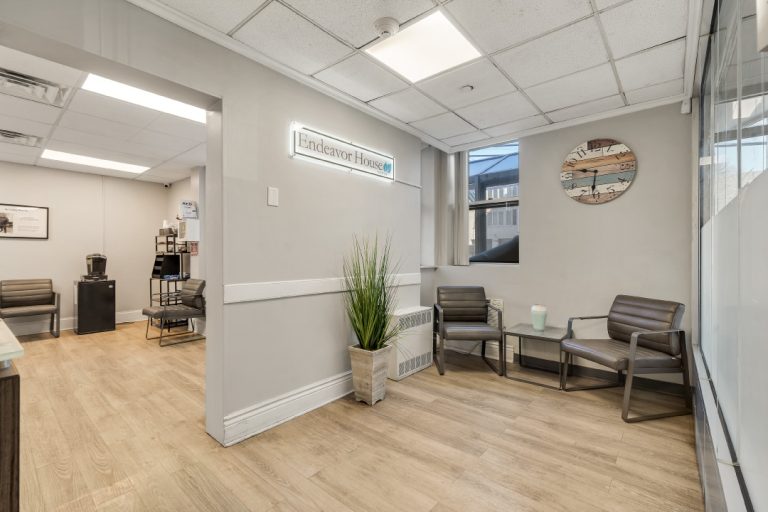
See Our Facility


Prescription Drug Withdrawal: What to Expect
Withdrawal symptoms and medical risks vary significantly depending on the class of prescription drug involved. This is why professional assessment and medically supervised detox are essential — the appropriate detox approach differs depending on the substance.
Opioid Painkiller Withdrawal
Withdrawal from prescription opioids produces symptoms similar to heroin withdrawal: muscle aches, nausea, vomiting, diarrhea, anxiety, insomnia, and intense cravings. While uncomfortable, opioid withdrawal is generally not life-threatening. Symptoms typically peak within 2 to 4 days and subside over 7 to 10 days.
Benzodiazepine and Sedative Withdrawal
Benzodiazepine withdrawal can be medically dangerous, with risks including seizures, psychosis, and severe rebound anxiety. A gradual, medically supervised taper is required — abrupt discontinuation is never safe. Withdrawal timelines vary widely from weeks to months depending on the specific medication and duration of use.
Stimulant Withdrawal
Withdrawal from prescription stimulants primarily produces psychological symptoms: severe fatigue, depression, increased appetite, sleep disturbances, and cognitive difficulties. While not medically dangerous, stimulant withdrawal can be debilitating and benefits from professional support.
Our Approach to Prescription Drug Detox
At Endeavor House North, our medical team conducts a thorough assessment at intake to determine the safest and most effective detox protocol for each client’s specific medication(s), dosage history, and health status. All clients receive 24/7 medical monitoring with individualized medication management throughout the detox process.
Prescription Drug Addiction Treatment at Endeavor House North
Effective prescription drug addiction treatment addresses the physical dependence, the psychological patterns driving misuse, and the underlying condition the medication was originally prescribed for. At Endeavor House North in Kearny, NJ, our comprehensive approach covers all three dimensions.
Medical Detox
Our medical detox program is tailored to the specific class(es) of prescription drugs involved. For opioid painkillers, we may use medication-assisted treatment (MAT) including buprenorphine or other protocols. For benzodiazepines, we implement careful taper protocols to prevent seizures. For stimulants, we provide medical monitoring and symptom management. In all cases, our team provides 24/7 clinical oversight to ensure safety and comfort.
Inpatient Rehabilitation
Following medical stabilization, clients enter our structured therapeutic program:
- Cognitive Behavioral Therapy (CBT) — Identifying and changing the thoughts and behaviors that drive prescription drug misuse
- Dialectical Behavior Therapy (DBT) — Building emotional regulation, distress tolerance, and interpersonal effectiveness skills
- Pain management education — For clients with chronic pain, learning non-addictive approaches to pain management
- Anxiety management training — For clients who were prescribed benzodiazepines, developing sustainable coping strategies
- Motivational Interviewing — Building commitment to a medication-free (or safely managed) recovery plan
- Group therapy — Process groups, psychoeducation, and peer support
- Individual therapy — Personalized clinical work on treatment goals and underlying issues
Treating the Underlying Condition
A critical component of prescription drug addiction treatment is addressing the condition that led to the prescription in the first place. Whether the underlying issue is chronic pain, anxiety, insomnia, ADHD, or another condition, our clinical team works with each client to develop a treatment plan that manages the original condition using non-addictive approaches and medications when appropriate.
Continuum of Care
Our discharge planning team coordinates with each client’s primary care physician, psychiatrist, and/or pain management specialist to ensure continuity of appropriate medical care. Step-down treatment through our sister facility, Advanced Health and Education, and connections to outpatient resources support the transition back to independent functioning.
Treatment Options for Prescription Drugs
Medical Detox
Whether it's painkillers, benzodiazepines, or stimulants — our medically supervised detox program in Kearny, NJ provides the safe, individualized care you need to stop safely.
View programInpatient Rehab
Our inpatient rehab program helps you manage the underlying condition your medication was prescribed for while building a recovery plan that doesn't depend on addictive substances.
View programFAQ
Frequently Asked Questions
Can I become addicted to a medication my doctor prescribed?
Yes. Physical dependence and addiction can develop with prescription medications even when taken as directed, particularly with opioids, benzodiazepines, and stimulants. This is not a personal failure — it’s a physiological response. If you’re concerned about your relationship with a prescribed medication, seeking professional evaluation is the right step.
What prescription drugs are most addictive?
The most commonly addictive prescription drug categories are opioid painkillers (OxyContin, Vicodin, Percocet), benzodiazepines (Xanax, Valium, Ativan, Klonopin), and stimulants (Adderall, Ritalin). Each class carries different risks and requires a specific detox and treatment approach.
Will I need to stop taking all medications?
Not necessarily. The goal of treatment is to safely discontinue the medication(s) you’ve become dependent on while ensuring that any underlying medical or psychiatric conditions are properly managed. Our clinical team may recommend non-addictive alternative medications when appropriate.
How do I know if I need detox or just therapy?
If you experience withdrawal symptoms when you miss a dose or try to reduce your medication, you likely have physical dependence that requires medically supervised detox. Our admissions team can help you determine the appropriate level of care based on your specific situation.
Will my doctor be involved in my treatment?
We encourage communication with your prescribing physician as part of coordinated care. With your consent, our medical team can collaborate with your existing providers to ensure a safe detox plan and appropriate follow-up care after discharge.
Other Addictions We Treat
Get Help for Prescription Drugs Today
Our admissions team is available 24/7. Call now for a free, confidential assessment.