Addiction Treatment
Methamphetamine Addiction Treatment in Kearny, NJ

Methamphetamine is one of the most destructive substances a person can use — causing severe physical, psychological, and neurological damage. At Endeavor House North, we provide the intensive inpatient treatment needed to help individuals overcome meth addiction and begin rebuilding their lives.
Understanding Methamphetamine Addiction
Methamphetamine (meth) is a highly addictive synthetic stimulant that affects the central nervous system. It produces an intense rush of euphoria by causing a massive release of dopamine in the brain — up to 10 times the amount released by natural pleasurable activities. This extreme dopamine surge is what makes methamphetamine so powerfully addictive and so destructive to the brain’s reward system.
Meth can be smoked, snorted, injected, or taken orally. Crystal meth — the crystalline form most commonly associated with severe addiction — is typically smoked or injected for a more intense and rapid effect. All forms of methamphetamine are highly addictive and carry devastating health consequences.
Signs and Symptoms of Meth Addiction
Methamphetamine addiction often produces dramatic physical and behavioral changes that may include:
- Extreme weight loss and malnutrition
- Severe dental problems (“meth mouth”) — tooth decay, gum disease, tooth loss
- Skin sores and picking at the skin (from hallucinations of bugs crawling beneath the skin)
- Staying awake for days at a time followed by extended periods of sleep (“crash”)
- Paranoia, hallucinations, and delusional thinking
- Aggressive or violent behavior
- Rapid mood swings and emotional instability
- Obsessive, repetitive behaviors
- Neglecting personal hygiene, responsibilities, and relationships
- Dilated pupils, rapid eye movement, and facial twitching
Health Consequences of Meth Use
Methamphetamine causes extensive damage to nearly every system in the body. Chronic use is associated with severe cardiovascular problems (including heart attack and stroke), liver and kidney damage, respiratory issues, infectious diseases (from needle sharing), and significant neurological damage including memory loss, impaired cognitive function, and psychotic symptoms that can persist long after use stops. Meth also accelerates aging, causing users to appear decades older than their actual age.
Gallery
See Our Facility

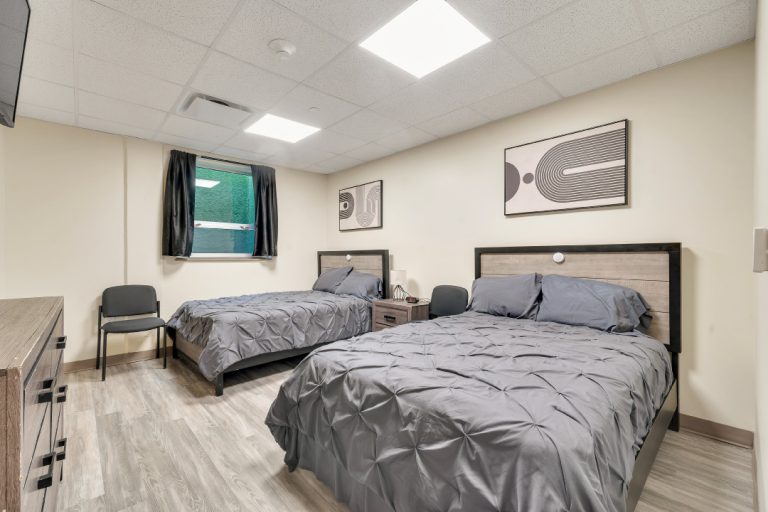
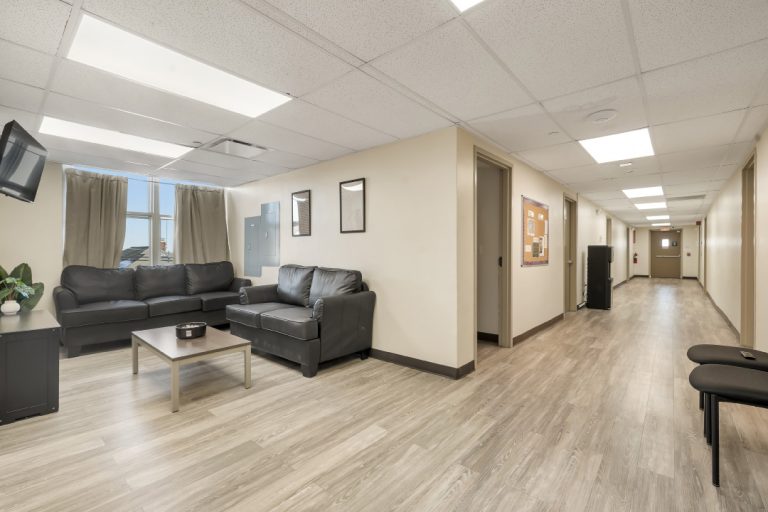
Methamphetamine Withdrawal: What to Expect
While methamphetamine withdrawal is not typically medically dangerous in the way that alcohol or benzodiazepine withdrawal can be, the psychological symptoms are severe and represent a major barrier to recovery. The profound depression, fatigue, and cognitive impairment of meth withdrawal often last weeks to months, making professional support essential.
Common Meth Withdrawal Symptoms
Withdrawal symptoms typically begin within 24 hours of the last use and include:
- Extreme fatigue and hypersomnia — sleeping for very long periods
- Severe depression, sometimes with suicidal ideation
- Dramatically increased appetite
- Anxiety, irritability, and emotional instability
- Psychomotor retardation — slowed thinking, movement, and reaction time
- Difficulty concentrating and memory problems
- Anhedonia — inability to experience pleasure
- Vivid, disturbing dreams
- Intense meth cravings
Meth Withdrawal Timeline
- Days 1–3 (Crash phase): Exhaustion, extreme sleep, increased appetite, initial mood drop
- Days 4–10: Depression deepens, cravings intensify, cognitive fog, mood instability
- Weeks 2–4: Gradual improvement in energy and mood, though depression and cravings persist
- Months 1–6+: Protracted withdrawal may include intermittent depression, anhedonia, and cravings as the brain slowly recovers normal dopamine function
At Endeavor House North, our clinical team provides medical monitoring, psychiatric support, and therapeutic intervention through every phase of meth withdrawal. The supportive, structured environment of inpatient treatment is particularly important for meth recovery given the severity and duration of psychological symptoms.
Methamphetamine Addiction Treatment at Endeavor House North
Meth addiction treatment is primarily behavioral, as there are no FDA-approved medications specifically for methamphetamine use disorder. At Endeavor House North in Kearny, NJ, our inpatient program provides the intensive, structured therapeutic environment that gives individuals the strongest foundation for recovery from meth addiction.
Medical Stabilization
Upon admission, our medical team conducts a thorough assessment addressing the wide range of health issues commonly associated with meth use — cardiovascular problems, dental issues, nutritional deficiencies, skin infections, and psychiatric symptoms including psychosis. Clients are stabilized medically and monitored as withdrawal symptoms progress.
Inpatient Rehabilitation
Our evidence-based therapeutic programming for methamphetamine addiction includes:
- Cognitive Behavioral Therapy (CBT) — Restructuring the thought patterns, beliefs, and behavioral routines that sustain meth use
- Contingency Management — Research shows this is among the most effective approaches for stimulant addiction, reinforcing positive behaviors with tangible incentives
- Dialectical Behavior Therapy (DBT) — Building critical emotional regulation skills for managing the intense mood swings of early meth recovery
- Motivational Interviewing — Strengthening internal motivation during periods when depression and anhedonia make recovery feel impossible
- Group therapy — Peer support, relapse prevention education, and process groups
- Individual therapy — Targeted one-on-one work on personal recovery goals and underlying issues
- Physical wellness — Nutritional support, sleep hygiene, and physical activity to support brain and body recovery
Addressing Meth-Related Psychiatric Symptoms
Methamphetamine can induce psychotic symptoms — paranoia, hallucinations, delusional thinking — that may persist for weeks or months after the last use. Our clinical team monitors for these symptoms and provides appropriate psychiatric care. In most cases, meth-induced psychosis resolves with sustained abstinence, though some individuals may require medication management during the recovery process.
Continuum of Care
Given the protracted nature of meth withdrawal and brain recovery, long-term support is especially important. Our discharge planning team connects clients to step-down care, sober living, outpatient therapy, and community support resources to sustain recovery through the critical early months.
Treatment Options for Methamphetamine
Medical Detox
Our medical team provides comprehensive health assessment, stabilization, and psychiatric support as your body and brain begin recovering from methamphetamine use.
View programInpatient Rehab
Intensive inpatient rehab is the most effective approach for meth addiction. Our program in Kearny, NJ combines CBT, contingency management, and holistic support.
View programFAQ
Frequently Asked Questions
Is there a medication for meth addiction?
There are currently no FDA-approved medications specifically for methamphetamine addiction. However, our medical team may prescribe medications to manage withdrawal symptoms, depression, psychosis, sleep problems, or other co-occurring conditions. Behavioral therapies are the primary and most effective treatment for meth use disorder.
How long does it take to recover from meth addiction?
Meth recovery is a long-term process. Acute withdrawal lasts about 1 to 2 weeks, but brain chemistry can take 12 to 18 months or longer to normalize significantly. This is why ongoing treatment and support after inpatient rehab are so important. Many people see meaningful improvements in cognition, mood, and overall health within the first few months of sustained sobriety.
Can the brain recover from methamphetamine damage?
Research shows that many of the brain changes caused by meth use are at least partially reversible with sustained abstinence. Dopamine system function, cognitive performance, and brain structure can improve significantly over time — though the recovery process is gradual and can take a year or more.
What if I'm experiencing paranoia or hallucinations from meth?
Meth-induced psychotic symptoms are common and our clinical team is experienced in managing them. In most cases, these symptoms resolve with abstinence and supportive care. If needed, our physicians can prescribe appropriate psychiatric medications to manage symptoms during the acute recovery period.
Does insurance cover meth addiction treatment?
Yes — most major insurance plans cover substance use disorder treatment including inpatient rehab for methamphetamine addiction. Contact our admissions team or submit an insurance verification form to confirm your coverage.
Other Addictions We Treat
Get Help for Methamphetamine Today
Our admissions team is available 24/7. Call now for a free, confidential assessment.